Clearing Rubbish After Catford Broadway Theatre Shows: A Practical Guide for Fast, Safe, and Tidy Post-Event Clearance
When the curtain comes down, the work is not quite over. Clearing rubbish after Catford Broadway Theatre shows is the final step that protects the venue, the audience experience, and the reputation of everyone involved in the production. From discarded programmes and takeaway cups to set-offcuts, packaging, costume bags, and backstage clutter, post-show waste can build up quickly. The good news? With the right plan, the clear-up can be swift, organised, and far less stressful than it first looks.
This guide explains how post-theatre rubbish clearance works, what to remove first, who needs the service, and how to avoid the mistakes that slow everything down. It also covers practical choices, safety considerations, and the kind of service standards worth expecting if you want the job done properly. If you need broader support beyond one show, services such as general waste removal and business waste removal can also be useful for regular venue operations.
Table of Contents
- Why Clearing Rubbish After Catford Broadway Theatre Shows Matters
- How Clearing Rubbish After Catford Broadway Theatre Shows Works
- Key Benefits and Practical Advantages
- Who This Is For and When It Makes Sense
- Step-by-Step Guidance
- Expert Tips for Better Results
- Common Mistakes to Avoid
- Tools, Resources and Recommendations
- Law, Compliance, Standards, or Best Practice
- Options, Methods, or Comparison Table
- Case Study or Real-World Example
- Practical Checklist
- Conclusion
- Frequently Asked Questions
Why Clearing Rubbish After Catford Broadway Theatre Shows Matters
Post-show rubbish is more than just an eyesore. In a live performance setting, waste affects turnaround times, safety, staff workload, and the overall impression left on audiences and visiting performers. A theatre venue needs to reset quickly, especially if there is another performance, a rehearsal, or a private hire the next day.
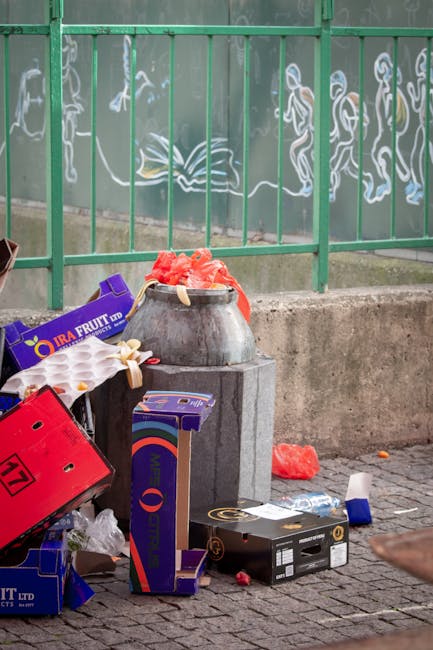
Think about the typical end-of-show scene: people leaving with drinks in hand, promotional flyers on seats, catering waste near foyers, and backstage areas full of packing materials or broken-down staging items. Left unmanaged, that clutter can block routes, create slip hazards, attract pests, and make the next event harder to prepare. It can also be frustrating for the team trying to lock up at the end of a long evening.
For venues in and around Catford, the practical goal is simple: clear the rubbish efficiently, separate reusable or recyclable materials where possible, and leave the site ready for the next use. That is where a planned clearance approach makes a real difference.
Expert summary: A theatre clear-up should be fast, safe, and methodical. The best results usually come from separating waste early, keeping access routes open, and arranging removal before the final applause has faded.
If the waste includes large items from dressing rooms, offices, or temporary event setups, support from services such as office clearance or furniture disposal may be relevant alongside standard rubbish removal.
How Clearing Rubbish After Catford Broadway Theatre Shows Works
Post-show rubbish clearance usually follows a simple but structured process. The exact setup depends on the size of the event, the amount of waste created, and whether the clearance is being handled by in-house staff, volunteers, or a professional team.
1. Initial sweep and waste identification
The first task is to walk the space and identify what needs removing. This includes visible litter in the auditorium, foyers, toilets, dressing rooms, corridors, backstage storage, and loading areas. At this stage, it helps to distinguish between general waste, recyclables, reusable items, and anything bulky or potentially hazardous.
2. Sorting and segregation
Good separation saves time later. Paper programmes, cardboard packaging, plastic bottles, food waste, broken props, and unwanted event materials should be sorted into the right streams wherever practical. Even a modest level of sorting can make disposal more efficient and support better recycling outcomes.
3. Safe collection and loading
Once sorted, waste is bagged, boxed, or stacked for safe collection. Larger items may need trolleys, sack trucks, or a team lift. Care matters here. Backstage areas often have narrow passages, steps, cables, and fragile surfaces, so moving waste quickly should never mean moving it carelessly.
4. Removal and responsible disposal
The final stage is loading waste for transport and making sure it is taken to an appropriate facility or transfer point. For some jobs, this may involve a single vehicle load; for larger productions, multiple runs may be needed. The point is not just to remove rubbish, but to remove it in a way that is organised and traceable.
For a better understanding of how professional providers handle this side of the job, it can be useful to review their health and safety approach and insurance and safety information before booking.
Key Benefits and Practical Advantages
There are some clear reasons venues, production teams, and event organisers prefer a structured clearance service rather than trying to improvise at the end of the night.
- Faster turnaround: A clean venue can be reset more quickly for the next rehearsal, performance, or private hire.
- Lower safety risk: Less clutter means fewer trip hazards, blocked doors, and awkward lifting tasks.
- Better presentation: Staff, performers, and visitors notice the difference immediately.
- Less pressure on the venue team: End-of-night fatigue is real, and a planned clear-up reduces last-minute stress.
- Improved recycling outcomes: Sorting materials properly gives recyclable items a better chance of being recovered.
- Cleaner backstage workflow: Crew members can focus on striking the show rather than wrestling with rubbish piles.
There is also a quieter benefit that is easy to overlook: a tidy, professional clear-up supports the venue's reputation. That matters if the space hosts touring productions, community performances, school shows, or corporate events. A smooth end to the evening leaves a better memory than a hallway full of overflowing bags.
Where a show generates repeated waste loads, it may be worth looking at ongoing support through recycling and sustainability services so the venue can handle future events more consistently.
Who This Is For and When It Makes Sense
Clearing rubbish after theatre shows is not just for large commercial productions. It is useful for a wide range of people and organisations.
Theatre managers and venue operators
If you manage a venue, you need the building returned to a clean, safe state without disruption to the schedule. Regular post-show clearance is part of that operational rhythm.
Production teams and stage crews
When a set comes down, waste can accumulate fast. Wooden offcuts, packaging, props, broken fixtures, and temporary materials all need to leave the site efficiently.
Event organisers and hire clients
One-off hires often create a mix of front-of-house litter and setup debris. A professional clearance keeps the handover smooth and avoids awkward delays at the end of the booking.
Community groups, schools, and amateur drama teams
Smaller productions still generate surprising volumes of waste. Even if the show is modest, the clean-up can become unexpectedly large once you account for decorations, refreshments, and backstage clutter.
When it makes sense to bring in help
It usually makes sense to arrange support when the venue is:
- too busy to spend hours clearing waste in-house
- dealing with bulky or mixed rubbish
- working to a tight turnaround before the next event
- trying to improve recycling or reduce staff strain
- handling items that need careful lifting or sorting
If the event has also left behind furniture, damaged seating, or unwanted fixtures, services like furniture clearance or flat clearance can be helpful in related situations where a space needs to be emptied quickly and safely.
Step-by-Step Guidance
If you want the post-show clean-up to run smoothly, treat it like part of the event plan rather than an afterthought. The following process works well in practice.
- Estimate the likely waste before the show starts. Consider audience size, catering, printed materials, backstage activity, and any set-strike requirements.
- Place bins where people naturally generate waste. Foyer entrances, bar areas, dressing rooms, and backstage corridors should all have obvious disposal points.
- Separate waste streams early. Keep general waste apart from recycling and any reusable materials. Clear labels help.
- Assign responsibility. Someone should know who is checking each area, who is moving bags, and who signs off the final sweep.
- Clear the obvious hazards first. Remove broken glass, loose cables, wet spills, and anything blocking exits or loading routes.
- Stage the rubbish near the exit. This reduces repeated trips through the building and keeps cleaner areas clear.
- Load with care. Use suitable lifting methods and avoid overfilling bags or containers.
- Do a final walk-through. Check under seats, behind curtains, in toilets, and around dressing room counters. The small items often hide in plain sight.
- Confirm disposal and record anything unusual. If there were damaged fixtures, contaminated waste, or items that require special handling, note them before the next event.
A small practical example: after a show with a busy interval bar, the biggest clean-up issue is often not the foyer itself but the trail of cups, napkins, and cardboard packaging that ends up in side corridors and under tables. Those are easy to miss if you only focus on the obvious pile near the exit.
Expert Tips for Better Results
Small improvements make a large difference in a theatre environment, because the space is often tight and the timings are unforgiving.
Use the building's natural flow
Do not fight the layout. Clear waste in the direction that makes sense for staff movement and loading access. Backstage and loading bay routes are usually the safest options, but every building has its quirks.
Keep recycling visible and easy
If the recycling point is hidden in a corner, people will default to the nearest general waste bin. Clear signage and convenient placement reduce contamination.
Protect surfaces and quiet areas
Theatre buildings often have delicate flooring, painted walls, and acoustic finishes. Use trolleys or lined containers where appropriate, and avoid dragging heavy items.
Schedule the clear-up around the show flow
For a performance with a busy audience exit, some teams start in backstage areas while front-of-house traffic is still moving. That can save time, but only if access is controlled properly.
Think beyond the bin bag
What looks like rubbish may include items with value: reusable signs, props, cables, costume storage boxes, or office furniture from temporary production spaces. If in doubt, separate before you throw away. A little caution is cheaper than replacing something useful later.
Choose a provider that understands site sensitivity
Not every clearance job is the same. A theatre environment needs careful handling, punctual collection, and respect for the space. Reading about a company's background and approach can help you judge whether it is a good fit.
Common Mistakes to Avoid
Most post-show problems come from the same handful of mistakes. The good news is that they are easy to avoid once you know what to watch for.
- Leaving everything until the end: Waste piles up fast if no one clears it during the interval or strike.
- Mixing all waste together: This makes recycling harder and slows the job down.
- Ignoring backstage clutter: Some of the mess is hidden away, but it still affects safety and turnaround.
- Overfilling bags and containers: That creates lifting risks and increases the chance of tears or spills.
- Blocking fire exits or access routes: Even a temporary obstruction can cause serious problems.
- Not checking for fragile or hazardous items: Glass, sharp metal, batteries, and damaged fittings need extra care.
- Assuming the space is empty once the audience leaves: It rarely is. The real mess often shows up in the corners.
To be fair, it is easy to miss something when the evening has been long and everyone is ready to go home. That is exactly why a simple written process pays off.
Tools, Resources and Recommendations
You do not need a warehouse full of equipment to clear theatre rubbish properly. A few sensible tools and habits go a long way.
| Tool or resource | Why it helps | Best use case |
|---|---|---|
| Heavy-duty bin bags | Reduce tearing and leaks | General show litter and catering waste |
| Labelled recycling containers | Make sorting easier | Paper, cardboard, and bottles |
| Sack truck or trolley | Safer movement of heavier loads | Backstage or loading bay transfers |
| Gloves and basic PPE | Protect hands and reduce minor injury risk | Any clearance involving mixed waste |
| Checklists | Stops areas being missed | Post-show sweeps and final sign-off |
| Reliable clearance partner | Reduces pressure on internal staff | Large, urgent, or repeated clearances |
Useful supporting pages on the website include pricing and quotes if you want a clearer idea of booking options, and contact us if you need to discuss a venue-specific arrangement. If your team handles payments online, payment and security information may also be worth reviewing before arranging services.
Law, Compliance, Standards, or Best Practice
Any waste clearance should be handled in line with sensible UK waste management practice. That means using a responsible carrier, avoiding fly-tipping, and making sure waste goes to an appropriate facility. For theatre and event settings, the key issues are usually safety, traceability, and proper segregation rather than anything overly technical.
Where waste includes electrical items, batteries, sharp materials, or contaminated materials, extra care is needed. If the event involved temporary office setups, catering stations, or storage rooms, the waste mix may be broader than it first appears. In those cases, a provider with a clear terms and conditions page and transparent working practices is easier to assess.
It is also wise to look at how a company handles its environmental responsibilities. A relevant recycling and sustainability commitment can indicate that recyclable materials are being treated properly rather than simply bundled into general waste.
For venue operators, best practice usually includes:
- keeping clear records of what was removed
- separating waste where practical
- booking sufficient time for the clear-up
- making sure staff know the collection route
- choosing contractors with appropriate insurance and safe working procedures
Options, Methods, or Comparison Table
There is more than one way to handle post-show rubbish. The best option depends on the scale of the event, the type of waste, and how quickly the building needs to be reset.
| Method | Best for | Pros | Watch-outs |
|---|---|---|---|
| In-house staff clear-up | Small events and low waste volumes | Quick, familiar, low coordination | Can be tiring and less efficient for bulky waste |
| Volunteer or production crew tidy | Community shows and short runs | Flexible and inexpensive | May lack equipment or disposal knowledge |
| Professional rubbish clearance | Busy venues and tight turnarounds | Fast, organised, safer for larger loads | Needs booking and budget planning |
| Mixed approach | Larger productions with multiple waste types | Efficient and adaptable | Requires clear communication and a lead contact |
In many cases, a mixed approach is the most practical. For example, the venue team can handle front-of-house litter while a clearance crew deals with bulky backstage waste and transport. That keeps the job moving without putting too much pressure on one group.
Case Study or Real-World Example
Imagine a Saturday evening performance at a Catford venue with a full house, an interval bar, a small merchandise stall, and a backstage area that has been used for costume changes and set storage. By the end of the show, the venue has paper flyers on seats, drink cups near the exits, packaging from merchandise deliveries, and several broken-down boxes in the loading area.
If the team waits until everyone has left, the clean-up takes longer and people end up crossing the same areas repeatedly. Bags get moved twice. A corridor gets blocked. Someone has to stop and ask where the recyclable cardboard should go. The whole process becomes messier than it needed to be.
Now compare that with a planned approach. The front-of-house team starts clearing interval waste while the bar closes. The production team breaks down packaging and moves reusable items aside. A designated lead checks the route to the loading bay. By the time the final audience members leave, most of the obvious clutter is already under control, and the final sweep is quick and calm.
The result is not just a tidier venue. It is a smoother transition into the next task, whether that is a late-night lock-up, a Sunday matinee setup, or a full production strike. That is the real value of a good system: it saves time when the room is still buzzing and nobody wants to be dealing with one more bag of rubbish.
Practical Checklist
Use this checklist before, during, and after the show clear-up.
- Confirm the expected waste types before the event begins.
- Place bins and recycling points in logical locations.
- Assign someone to oversee the clear-up.
- Keep loading routes clear and well lit.
- Separate general waste, recycling, and reusable items.
- Use suitable bags, containers, and moving equipment.
- Check backstage, toilets, corridors, and under seating.
- Remove sharp, wet, or fragile waste with care.
- Do a final walk-through before handing the venue back.
- Review what worked well for next time.
If the clearance also involves larger items from storage rooms, dressing rooms, or temporary event offices, it may help to look at house clearance, home clearance, or loft clearance services as related references for managing mixed or bulky loads in a structured way.
Conclusion
Clearing rubbish after Catford Broadway Theatre shows is about more than tidying up at the end of the night. It is a practical part of keeping the venue safe, efficient, and ready for whatever comes next. Whether you are dealing with a small community performance or a busy professional production, the same principles apply: plan early, sort waste sensibly, keep movement safe, and avoid leaving the hardest work until everyone is exhausted.
The best clear-ups feel almost invisible because they are organised well from the start. That is the aim. Not perfection, just a calm, workable process that respects the building, the staff, and the schedule. If you want help with a one-off show, regular venue support, or a larger mixed clearance, the sensible next step is to get a quote and compare your options.
Get a free quote today and see how much you can save.
Frequently Asked Questions
What types of rubbish are usually left after a theatre show?
Common items include paper programmes, drink cups, food wrappers, cardboard packaging, bottles, broken props, dressing room waste, and general litter from audience areas. Larger productions may also leave timber offcuts, stage materials, and bulky packaging.
How quickly should post-show rubbish be cleared?
Ideally, the main clear-up should begin as soon as it is safe to do so after the performance. In a venue with a tight turnaround, some clearing can start during interval or while the audience is exiting, provided staff can move safely and without disruption.
Can recycling be separated after a theatre show?
Yes, and it is usually worth doing if there is enough material to make sorting practical. Cardboard, paper, and clean plastic bottles are often the easiest items to separate. Clear labels and well-placed containers make this much easier.
Is it better to use venue staff or a professional clearance service?
It depends on the size of the show and the amount of waste. Small events can often be handled in-house, but larger productions, mixed waste, or tight schedules usually benefit from professional support because it reduces pressure and speeds up the reset.
What should I do with bulky items after a theatre production?
Bulky items should be separated from ordinary litter and assessed before removal. Some may be reusable, some recyclable, and some suitable for disposal. If the load includes furniture or fixtures, specialist clearance may be the most efficient option.
How do I avoid waste building up during the event?
Place bins where people naturally dispose of items, keep recycling options obvious, and assign someone to monitor high-traffic areas such as foyers and bars. A little mid-event clearing often prevents a much bigger mess later.
Are there safety risks in clearing post-show rubbish?
Yes. Common risks include slips, trips, cuts from broken items, and strains from lifting heavy bags or awkward objects. Good lighting, sensible footwear, gloves, and clear routes all help reduce those risks.
What happens if the venue needs a very fast turnaround?
A fast turnaround usually means the clear-up needs to be planned in advance. That might involve pre-positioned bins, a dedicated waste route, and a clearance team ready to load items immediately after the show ends.
Do I need to worry about compliance when disposing of theatre waste?
Yes, especially if the waste includes electrical items, batteries, sharp materials, or anything unusual. The safest approach is to use a responsible service, keep waste separated where possible, and make sure it is taken to the right destination.
How can I tell if a clearance provider is trustworthy?
Look for clear service information, sensible safety guidance, transparent booking details, and a professional approach to disposal and recycling. It also helps if the company explains how it handles insurance, payments, and customer support.
What is the best way to plan a show clear-up in advance?
Estimate the waste volume, decide which areas need the most attention, place bins in the right locations, and assign a lead person to oversee the process. The more predictable the plan, the easier the night becomes.
Can post-show waste clearance include office or storage areas?
Yes. Theatre clean-ups often spill into offices, dressing rooms, storage cupboards, and backstage corners. If those spaces contain unwanted furniture, archived items, or old equipment, broader clearance support may be needed alongside standard rubbish removal.