Confused by Bulky Waste Charges in Lewisham? Local Help
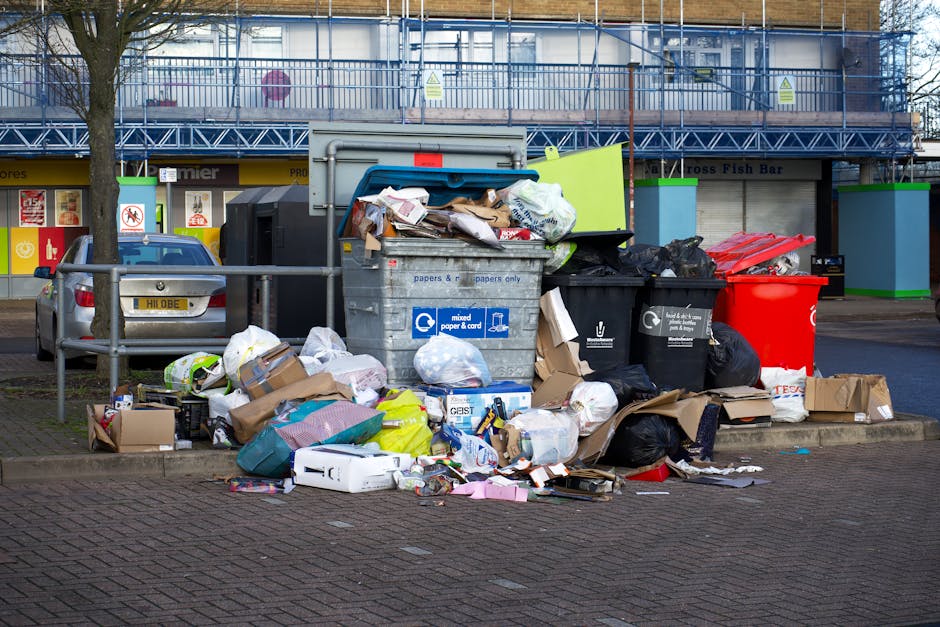
If you are staring at a sofa, a mattress, a broken wardrobe, or a pile of mixed household bits and thinking, "Why does bulky waste even cost this much?", you are not alone. Bulky waste charges in Lewisham can feel a bit murky at first glance, especially when you are trying to compare council collection, private clearance, and the simple reality of getting a heavy item out of a flat without scratching the walls. This guide breaks the whole thing down in plain English, with practical local help for making a sensible choice.
We will look at what bulky waste charges usually cover, why prices vary, what to check before you book, and when it makes more sense to use a specialist clearance service rather than wrestling with the job yourself. And yes, there is a way to keep this far less stressful than it first appears. Let's get into it.
Why Confused by Bulky Waste Charges in Lewisham? Local Help Matters
Bulky waste is one of those jobs that seems simple until you are actually standing in front of the item. A chest of drawers looks manageable until you realise it is too wide for the stairs. A fridge seems straightforward until you remember it needs safe handling and proper disposal. A cracked garden table is light enough in theory, but awkward enough to make you mutter under your breath by the third trip.
That is where the confusion over charges usually starts. People do not just pay for "removal". They are often paying for a combination of collection, loading, transport, labour, lifting from difficult access, and responsible disposal. If the quote looks higher than expected, it may be because the service is doing a lot more than tipping a single item into a van.
Local help matters because Lewisham properties are not all built the same way. A ground-floor house with a drive is a very different job from a top-floor flat with narrow stairs, no lift, and a parking space that is always somehow occupied. The geography of the job changes the cost, and in real life it changes the stress level too. To be fair, that is often what people are really trying to solve: not just price, but inconvenience.
Practical takeaway: if bulky waste charges feel unclear, break the quote into the parts that matter most: item type, access, labour, disposal, and timing. Once you do that, the picture usually gets a lot clearer.
If your clear-out involves more than one type of waste, a broader waste removal service may be easier to assess than a one-item collection, especially when furniture, white goods, and general household clutter are all mixed together.
How Confused by Bulky Waste Charges in Lewisham? Local Help Works
The basic idea is straightforward. You tell the provider what needs removing, they assess the load, and they quote based on size, weight, access, and handling needs. Simple enough on paper. In practice, a few things affect the final number more than people expect.
What usually affects the price
- Item volume - one sofa is not the same as a full lounge set.
- Item type - furniture, mattresses, electricals, and mixed waste can all require different handling.
- Ease of access - ground floor, basement, loft conversion, stairs, lift, parking, and distance to the van all matter.
- Loading time - a quick lift-out costs less than a long, careful carry through a narrow property.
- Disposal route - some items can be reused, some recycled, and some need specialist disposal.
People often expect a quote to be based only on item size, but access can be just as important. A small item from a fifth-floor flat can take more time than a bulky item from a front garden. That is the bit that catches people out.
There is also the question of how the job is booked. Some services offer a rough estimate by photo, then confirm on arrival after checking the exact load. Others prefer a more detailed pre-quote, which can be helpful if you are trying to keep the budget under control. If that is you, start by looking at a transparent pricing and quotes page and see what information is needed before booking.
Why bulky waste charges can vary so much
Let's face it, the word "bulky" is doing a lot of work. A bulky item may still be light, awkward, delicate, dirty, heavy, or all four at once. Charges can vary because the job is not just about lifting. It is about risk, time, and making sure the item is handled properly.
A service that clears a single broken wardrobe from a house with easy access will usually be quicker and simpler than removing several items from a flat with tight stairs, especially if the furniture has to be dismantled first. The difference is real, even if it is not always obvious from the sofa in your hallway.
Key Benefits and Practical Advantages
If you are weighing up your options, the value of local help is not just about saving a bit of time. It is about removing uncertainty. When people search for bulky waste charges, what they often want is clarity, not a lecture on logistics.
- Less guesswork - you know what you are paying for before the job starts.
- Reduced physical strain - no dragging heavy furniture down the stairs yourself.
- Quicker turnaround - helpful if you need the space cleared for a move, sale, let, or renovation.
- Better disposal outcomes - items can often be sorted for reuse, recycling, or responsible disposal.
- More predictable planning - especially useful if you are on a deadline.
That last point matters more than people think. When a house move is happening and boxes are everywhere, the last thing anyone wants is a half-finished clearance job hanging over the weekend. A good service takes that pressure off.
For furniture-heavy jobs, it can be worth checking whether furniture clearance or furniture disposal is the better fit. The wording sounds similar, but the most appropriate route depends on whether you want items removed for reuse, recycling, or final disposal.
Who This Is For and When It Makes Sense
This kind of help is useful for a surprisingly wide group of people. You do not need a full house clearance to justify it.
Common situations where bulky waste help makes sense
- Moving out of a flat and needing a sofa, mattress, or broken shelving removed fast.
- Clearing a spare room, loft, garage, or understairs cupboard that has quietly turned into a storage black hole.
- Replacing old furniture and not wanting the old pieces lingering for weeks.
- Dealing with landlord, tenant, or probate clear-outs where time is tight and access is awkward.
- Removing renovation debris or mixed household waste after a tidy-up.
For some homes, a targeted visit is enough. For others, a broader job works better. A full house clearance can be more efficient when several rooms need attention, while home clearance may suit a lighter declutter where you want the space reset without stripping the place bare.
If you live in a flat, access can become the biggest factor very quickly. Narrow halls, shared entrances, and stair-only buildings can all influence the timing and quote. In those cases, flat clearance is often the more realistic route, because it is designed around exactly those awkward bits that make local jobs, well, local jobs.
Step-by-Step Guidance
Here is a sensible way to approach it without overcomplicating things.
- List the items
Write down exactly what needs removing. Be honest here. "One sofa" sometimes turns into a sofa, footstool, broken side table, and a mystery chair with one missing leg. - Check access
Note stairs, lifts, parking, distance from entrance to vehicle, and whether items need dismantling. This is often the bit that changes the price. - Separate what can stay
Keep anything you want to reuse, donate, or sell out of the way before the collection day. It avoids awkward confusion. - Ask how the quote is calculated
Is it based on volume, item count, labour, or a combination? If the answer is vague, ask for more detail. - Confirm disposal expectations
Check whether the provider sorts items for reuse or recycling where possible, and how they handle waste that cannot be reused. - Book a realistic time slot
A slightly wider time window can reduce stress if parking is tight or you need to be present for access. - Prepare the space
Clear a path to the items, open gates if needed, and remove anything fragile nearby. A few minutes of prep can save a lot of faff.
If the job includes a mix of materials, a general waste removal booking can sometimes be simpler than splitting items across different collections. You only want to explain the pile once if you can help it.
Expert Tips for Better Results
After enough clearances, a few patterns become pretty obvious. These are the details that save time and help keep the cost sensible.
Tip 1: Send clear photos, not just one cropped shot
A photo from one angle rarely tells the whole story. Try to include the full item, nearby access points, stairs if relevant, and any obstacles. The better the picture, the steadier the quote.
Tip 2: Measure awkward items
Large wardrobes, bed frames, and corner sofas can become awkward fast. If something looks like it might not fit through a doorway, say so early. It is much better than discovering the problem on the landing. Been there, seen that.
Tip 3: Think about dismantling
Some items are quicker to remove if they are partially dismantled first, but not always. If you are unsure, ask. A rushed DIY dismantle can sometimes make the job harder, not easier.
Tip 4: Keep an eye on mixed loads
Mixed waste is where misunderstandings often start. Furniture, garden cuttings, old paint tins, and building debris do not always belong in the same plan. If the load is mixed, mention it plainly. It helps avoid pricing surprises and delays.
Tip 5: Use room-by-room thinking for bigger clear-outs
For larger projects, it helps to plan by room rather than by "all the stuff". A loft, garage, or office can be broken down into zones, which makes the job feel far less chaotic.
For example, if the clear-out includes a neglected loft packed with boxes and broken bits, you may get better value from loft clearance than from trying to force it into a generic bulky waste collection.
Common Mistakes to Avoid
The biggest mistakes are usually simple ones, which is a relief in one sense and a nuisance in another.
- Not describing the items properly - "a few things" is not enough.
- Ignoring access problems - stairs, lifts, parking, and narrow entrances matter.
- Assuming all charges are identical - they are not, and the difference is usually justified.
- Leaving hazardous items out of the description - certain items need special handling.
- Forgetting to compare what is included - labour, loading, and disposal may not all be covered in the same way.
- Booking too late - if you need the room cleared by Friday afternoon, don't wait until Thursday lunch. It rarely ends well.
Another common one: people book the cheapest sounding option without checking whether it actually fits the job. A bargain price can become less of a bargain once the crew arrives and the access is worse than expected. That is not a pleasant surprise, obviously.
Tools, Resources and Recommendations
You do not need a bag full of special tools to manage bulky waste well, but a few simple things help.
- Phone camera - use it to capture items from several angles.
- Measuring tape - useful for doors, stair turns, and item size.
- Notebook or notes app - handy for listing what is staying and what is going.
- Basic labels or tape - ideal if multiple people live in the property and belongings could get mixed up.
- Clear route to the exit - it sounds obvious, yet this is where people lose time.
If you are comparing services, the pages on about the company, insurance and safety, and recycling and sustainability are worth reading. They help you judge whether the provider works in a responsible and properly organised way, not just whether the quote looks neat on the screen.
You may also find it useful to review health and safety policy details if the property has narrow access, fragile flooring, or other practical risks. It is not exciting reading, granted, but it tells you a lot about how a company approaches the job.
Law, Compliance, Standards, or Best Practice
For bulky waste and general clearance work, the key issue is responsible handling. In the UK, waste must be collected, transported, and disposed of in a lawful and environmentally responsible way. You do not need to become an expert in the regulations, but you do want to know that the company takes the basics seriously.
Best practice usually includes:
- clear pricing or at least a clear quoting method;
- accurate description of what is being removed;
- safe lifting and loading practices;
- appropriate separation of reusable, recyclable, and non-recyclable items;
- careful handling of items that may require special disposal;
- respect for property, shared areas, and neighbours.
If a job involves business premises, the expectations can be a little different again. Offices, shops, and workspaces often need more careful scheduling, documented arrangements, and cleaner turnaround times. In those cases, business waste removal or office clearance may be a better fit than a domestic bulky waste booking.
For building projects, it is also worth separating builders' debris from household bulky items. If you are dealing with plasterboard, rubble, timber, or mixed site waste, builders waste clearance is the more suitable route. Mixing everything together sounds efficient, but in practice it can complicate the job and the disposal method.
Options, Methods, or Comparison Table
If you are unsure which route to take, the comparison below should help narrow it down. It is not about finding the "best" option in general. It is about finding the one that fits your situation without drama.
| Option | Best for | Pros | Watch out for |
|---|---|---|---|
| Council bulky waste collection | Small, straightforward jobs | Simple for one-off items; familiar process | May have stricter item limits, collection dates, or access rules |
| Private bulky waste clearance | Awkward access, mixed items, faster turnaround | More flexible; can handle labour and loading | Prices vary by load, access, and item type |
| Full property clearance | Large room-by-room or whole-property jobs | Efficient for bigger clear-outs | May be more than you need if only a few items are going |
| Specialist furniture disposal | Large or awkward furniture only | Useful when items are bulky but limited in number | Not ideal if waste is mixed with other materials |
In simple terms, if you have one item and easy access, a basic collection may do the job. If you have several items, stairs, or a time limit, a more flexible service starts to make a lot more sense.
Case Study or Real-World Example
A common real-world scenario in Lewisham goes like this: a tenant is moving out of a first-floor flat on a Friday, and the old bed frame, mattress, small wardrobe, and two broken chairs need to go before the keys are returned. On paper, it sounds like a quick job. In the building, it is a narrow staircase, a shared hallway, and a front entrance that is just slightly too busy.
What makes the difference? Preparation. The items are listed clearly, photos are taken, and access details are confirmed in advance. The crew knows the bed needs dismantling, the mattress is awkward in the stairwell, and parking will need a bit of patience. Nothing dramatic. Just honest information. The job goes smoothly because nobody is guessing on the day.
Now compare that to a rushed call where the customer says "just a couple of bits" and then three large units, a broken desk, and a garden bench appear at the door. That is how prices jump and schedules get tight. Not because anyone is being difficult, but because the actual job is very different from the description.
If the clear-out is connected to a property move or a bigger declutter, a broader house clearance or home clearance may save time and reduce repeat visits. Small difference on the day, big difference by the end of the week.
Practical Checklist
Use this before you book, and again the day before collection.
- List every item that needs removing.
- Take clear photos from several angles.
- Measure anything large or awkward.
- Check stairs, lifts, parking, and doorway widths.
- Separate items you want to keep.
- Tell the provider about mixed waste or special items.
- Confirm what the quote includes.
- Ask about timing and arrival windows.
- Clear a path to the items.
- Protect floors or walls if access is tight.
- Review the provider's safety and recycling approach.
- Keep your booking confirmation and contact details handy.
If your item list is mostly old sofas, chairs, tables, and cabinets, it can be useful to compare the service route against the items themselves. A dedicated furniture clearance request may be cleaner and simpler than describing everything as general bulky waste.
Conclusion
Bulky waste charges in Lewisham do not have to feel mysterious. Once you understand what affects the price, the whole thing becomes much easier to judge. Item type, access, labour, timing, and disposal route all play a part, and the best service is usually the one that explains those factors clearly rather than hiding them behind vague wording.
If you remember only one thing, make it this: be specific about what needs removing and what the access looks like. That one habit solves a lot of confusion. It saves time, it keeps quotes honest, and it helps the job go smoothly on the day.
For a lot of people, the real win is not just lower cost. It is walking back into a cleared room and feeling the pressure lift a bit. That quiet moment matters more than the paperwork. It really does.
Get a free quote today and see how much you can save.
If you want to understand the company behind the service before you book, you can also read more on the about us page or check the contact details when you are ready to ask a question.
Frequently Asked Questions
What are bulky waste charges in Lewisham usually based on?
They are usually based on the number and size of items, the amount of labour needed, access to the property, and how the waste needs to be handled or disposed of.
Why does one bulky waste quote seem much higher than another?
Usually because the quotes are not covering the same thing. One may include loading, stairs, dismantling, or disposal, while another may assume easy access or fewer items.
Can I reduce the cost by preparing the items myself?
Yes, sometimes. Clearing access, separating items, and disassembling safe-to-dismantle furniture can help, but only if it is done properly and does not create extra risk.
Is it cheaper to use a council bulky waste collection?
It can be for straightforward jobs, but private clearance may be better value when access is difficult, the job is time-sensitive, or you have mixed items that need extra handling.
What information should I give when asking for a quote?
Tell the provider exactly what the items are, how many there are, where they are located, whether stairs or lifts are involved, and whether any items need dismantling.
Do bulky waste charges include disposal?
They often do, but not always in the same way. It is worth checking whether disposal, labour, and transport are all included in the quoted price.
What if I have furniture and general rubbish together?
That is common. In many cases, a broader waste service is more suitable than a single-item collection because the load can be assessed as a whole rather than split awkwardly.
How do I know if a quote is fair?
Compare what is included, not just the headline number. A fair quote should reflect the actual work involved and be explained in a way that makes sense.
Do I need to be home for the collection?
Usually yes, or at least someone responsible needs to be available if access is needed. Some arrangements are more flexible, but it depends on the provider and the property.
What happens to the items after collection?
That depends on the condition and type of waste. Reusable items may be redirected for a second life, recyclable materials may be separated, and the rest should be disposed of responsibly.
Is bulky waste the same as builders waste?
No. Bulky waste usually means large household items such as furniture or appliances, while builders waste covers material like rubble, timber, and renovation debris. The handling and disposal route can be different.
What is the best next step if I am still unsure?
Make a simple list of the items, note the access details, and ask for a clear quote. If you are comparing service options, reviewing pricing and quotes alongside recycling and sustainability can help you choose with more confidence.
For extra reassurance, you can also look at the company's terms and conditions and complaints procedure so you know how bookings, expectations, and any issues are handled.